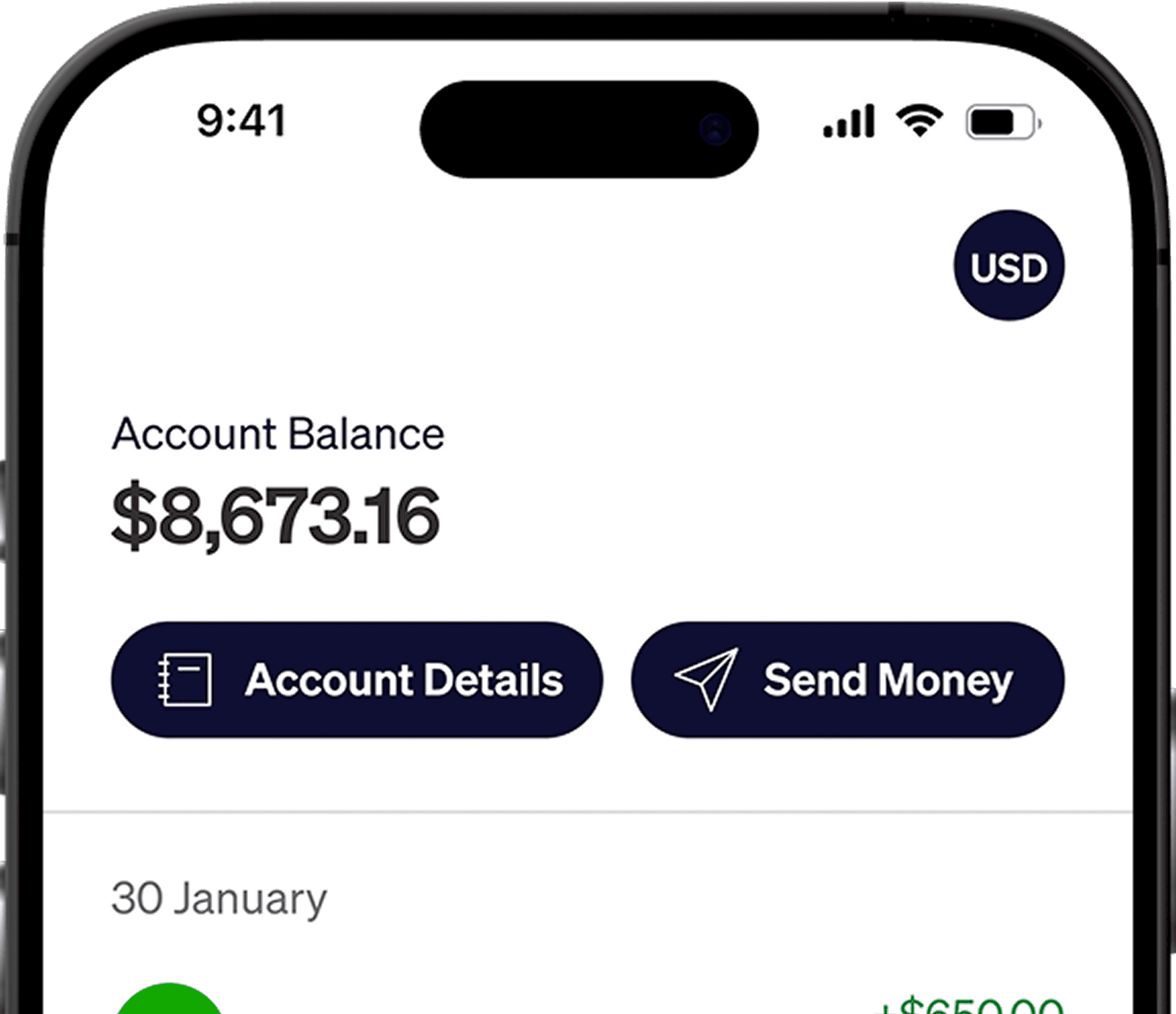
Filipino freelancers can receive USD through personal USD account details, payment platforms, marketplace payout methods, or international bank transfers. The right method depends on whether you want USD to land as USD or prefer the payment to arrive in Philippine pesos.
Before sending an invoice, confirm the payment rail, receiving currency, full cost, expected delivery window, and withdrawal options. These details matter more than the headline receiving fee alone.
The Short Answer
Use USD account details if you want to receive and retain dollars. Choose a local bank or wallet payout if you want PHP for immediate local spending.
Elevate Pay provides personal USD accounts to freelancers and remote workers in the Philippines. Elevate Pay users can receive USD from international clients and platforms via ACH.
Wise also says freelancers in the Philippines can receive payments through local USD account details and retain the money in USD instead of converting it immediately to PHP.
Other options include Payoneer, PayPal, marketplace withdrawals, and direct transfers to a Philippine bank. Review each route based on the currency that actually lands, rather than assuming that a payment sent in USD will remain in USD.
Start With the Currency You Want to Receive
A USD-denominated payment can produce two different outcomes. It can land in a USD balance, or the provider can convert it and deliver PHP.
Choose a USD balance when you want to control when conversion happens, receive recurring payments from US clients, or keep part of your income available for dollar-denominated expenses. Choose a PHP payout when you need the money in a local account and do not want to manage a separate USD balance.
Ask these questions before selecting a method:
Will the payment land as USD or PHP?
Can the client pay through ACH, wire, SWIFT, or only a platform checkout?
Does the provider charge the recipient, the sender, or both?
Could an intermediary deduct a fee before the payment arrives?
What conversion rate will apply when you move from USD to PHP?
Is there a separate withdrawal charge?
Are there incoming-payment or account limits?
The total cost may include a receiving fee, sender fee, intermediary charge, currency-conversion cost, and withdrawal fee. Compare the full route using the amount shown on the live payment or withdrawal screen.
ACH, Domestic Wire, and SWIFT
ACH is generally the practical route when a US client can pay compatible US account details. You normally give the client the recipient name, routing number, account number, account type if requested, and payment reference.
A domestic US wire also uses US payment details, but it is a different rail from ACH. Do not tell a client to send a wire unless your receiving service explicitly supports it.
SWIFT is used for international bank transfers. The sender may need your full name, account number, receiving institution details, SWIFT or BIC code, address, and payment purpose. Sender and intermediary charges can affect the amount delivered, so both parties should confirm the fee instructions before payment.
Wise says its USD details can receive domestic ACH and wire transfers from the US, as well as international USD payments through SWIFT. That does not mean every USD account provider supports all three rails. Always copy the payment instructions for the specific account and transfer type.
Comparing the Main Payment Routes
Elevate Pay is relevant when your priority is receiving global earnings into a personal USD account through ACH. Its confirmed scope for freelancers in the Philippines makes it a direct option for US clients or compatible platforms paying through that rail.
Wise can suit a freelancer who wants USD account details and the option to retain USD. Wise applies a PHP 10 million monthly limit to top-ups and incoming payments for personal accounts and freelancer Business accounts registered in the Philippines. Check your current usage before expecting a large payment, and confirm current fees on the live transaction screen.
Payoneer is often considered for marketplace earnings and direct-client workflows. Before selecting it, verify that your specific marketplace supports the intended payout, which currency will land, and the current receiving, conversion, and withdrawal charges.
PayPal can be convenient when a client prefers checkout-style payments instead of a bank transfer. PayPal defines an international transaction as one where it identifies the sender and receiver as residents of different markets. PayPal says an international purchase payment carries a standard fee plus a fixed fee based on the payment currency. Review the live fee page and conversion quote before deciding how much to invoice.
Marketplace-to-local-bank payouts reduce the number of steps when your goal is PHP. However, they do not necessarily let you retain USD. Check the marketplace fee, conversion rate, account-name rules, and delivery estimate before withdrawing.
Direct bank transfers can work for clients who already use SWIFT. Confirm whether the Philippine account accepts USD or converts incoming funds to PHP, and ask the sender to check for correspondent-bank charges.
A Client-Ready Payment Checklist
Give your client complete instructions on the invoice. Missing or inconsistent information can delay a payment or send it back for correction.
Include:
Your full legal name as shown on the receiving account.
Your business or professional name, if applicable.
The invoice number and issue date.
The payment currency and exact invoiced amount.
The due date.
The permitted payment rail, such as ACH or SWIFT.
The routing number, account number, or SWIFT details copied from your provider.
A payment reference that identifies the invoice.
An instruction stating who bears sender and intermediary charges.
Your email address for payment questions.
Do not reuse instructions from another account or assume ACH details also accept wires. Copy the details from the current receiving screen and ask the client to preserve their transfer confirmation.
Setup and Record-Keeping
Complete identity verification before requesting a large or time-sensitive payment. Make sure the name on your invoice, receiving account, marketplace profile, and identity documents is consistent.
After approval, copy the receiving details directly from the provider. Link your Philippine withdrawal account only if you intend to convert or transfer the balance locally, and verify the account name before initiating a withdrawal.
Keep the contract, invoice, proof of completed work, client details, transfer confirmation, transaction reference, and withdrawal record. A payment provider may request supporting documents when reviewing an incoming transfer.
Freelance income can create Philippine registration, invoicing, record-keeping, and tax-filing obligations. Your obligations depend on your circumstances, so consult the Bureau of Internal Revenue or a qualified Philippine tax professional rather than treating a payment platform as a substitute for tax advice.
Common Payment Problems
The payment has not arrived: Check the expected delivery window for the exact rail. Ask the sender for the transaction reference and confirmation showing the recipient details.
The transfer was rejected or returned: Compare the account name, account number, routing number, currency, and permitted payment rail with the provider’s current instructions.
The payment is under review: Prepare the invoice, contract, proof of service, sender information, and transaction reference. Submit only the documents requested through the provider’s official support channel.
The amount received is lower than expected: Review sender charges, intermediary deductions, receiving fees, conversion costs, and withdrawal fees separately. Do not assume the difference came from one fee.
How Elevate Pay Fits This Workflow
Elevate Pay gives eligible freelancers in the Philippines a personal USD account for global earnings received through ACH. That lets you give a compatible client or platform USD receiving details instead of requiring an immediate PHP payout.
Use the Elevate Pay Upwork page when evaluating an Upwork-related payment workflow. Before directing any payment, confirm that the platform or client can send through ACH and review the current transaction details inside your account.
Frequently Asked Questions
Can a freelancer in the Philippines keep client payments in USD?
Yes, if the selected receiving method provides a USD balance rather than automatically converting the payment to PHP. Confirm both the sending rail and landing currency before sharing payment details.
What should I give a US client for an ACH payment?
Provide the recipient name, routing number, account number, account type if requested, invoice number, and payment reference. Copy these details from the receiving account and state clearly that the client must use ACH.
Is ACH the same as SWIFT?
No. ACH is a domestic US payment rail, while SWIFT is used for international bank transfers. An account that accepts ACH does not automatically accept SWIFT or domestic wires.
Should I receive USD or request a PHP payout?
Retaining USD can make sense if you have recurring US clients or dollar-denominated expenses. A PHP payout may be more practical when you need local spending money and prefer not to manage conversion separately.
Sources Referenced in This Article
Wise: Philippines freelancer USD account guide, USD receiving-details guidance, and Philippines account limits. These pages explain USD retention, supported receiving rails, and the stated monthly incoming-payment limit.
PayPal: Philippines business fee definitions and international purchase-payment guidance. These pages describe how PayPal classifies international transactions and structures the related receiving fee.
Choose Your USD Receiving Route
Start with the outcome you need: USD held as USD or PHP delivered locally. If you want personal USD account details for ACH payments, review Elevate Pay, confirm that your client or platform can use ACH, and copy the current receiving instructions from your account.


Recent Articles




DO MORE WITH ELEVATE PAY
Transfer money with Elevate Pay with low fees and competitive FX rates. Our users love us for transparency, security and more.